Things you should be reading about AI in 2025
This year I am reading across AI, machine learning, and neuroscience. The aim is to understand natural and artificial cognition well enough to do useful work, not to keep up with the feed. What follows is what I am actually reading and the code I am actually opening — with a Goodreads log if you want the raw list.
I started from the most-cited textbooks in UK and US computer-science programmes, then asked what a master’s student would need in order to contribute rather than just pass exams.
It is easy to drown in this year’s papers. I have been defaulting to textbooks. Papers are for a question you already care about; Emergent Mind is a decent firehose if you insist, with the usual caveat that the ground moves. I would not start there. You will spend a month in noise.
Books
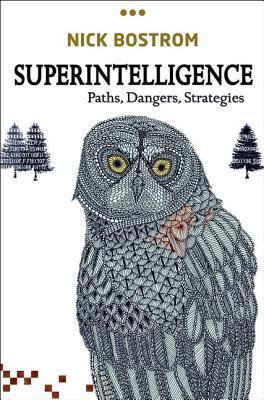
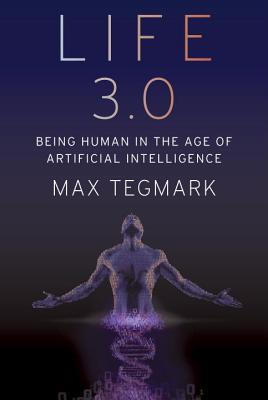
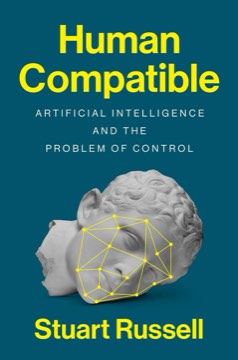
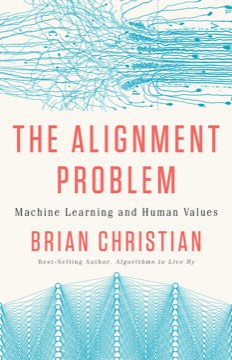
Start here if you want the map before the math: what the field thinks it is doing, and where it might go.


Textbooks
Once the map is in your head, these are short and conceptual. Little math, little padding.
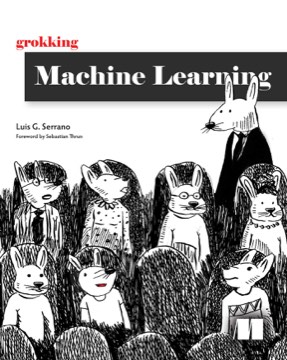
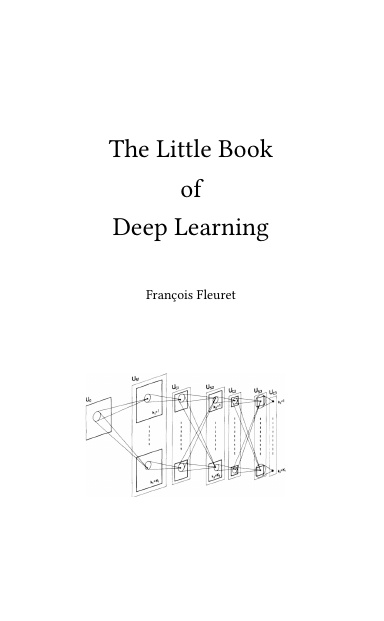
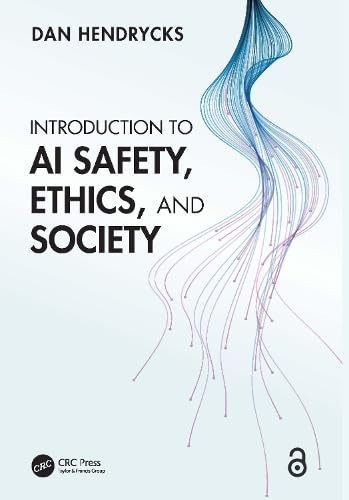
If you already write code and remember some linear algebra, these build intuition before the graduate books.
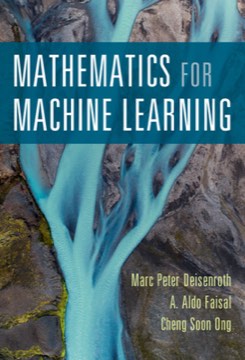
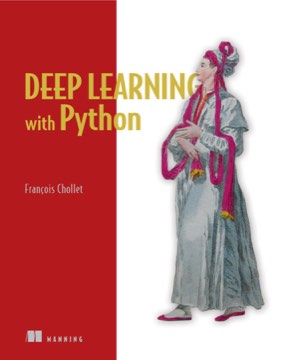
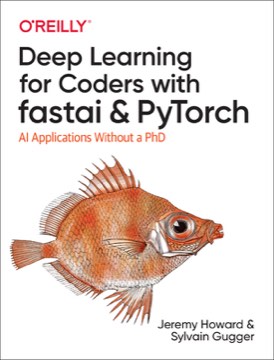

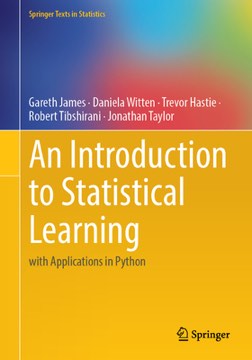
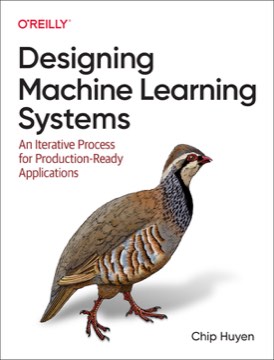
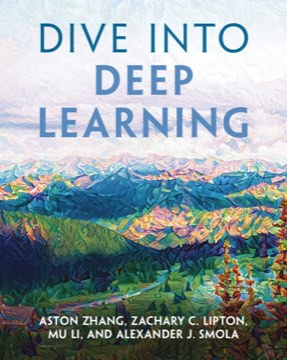
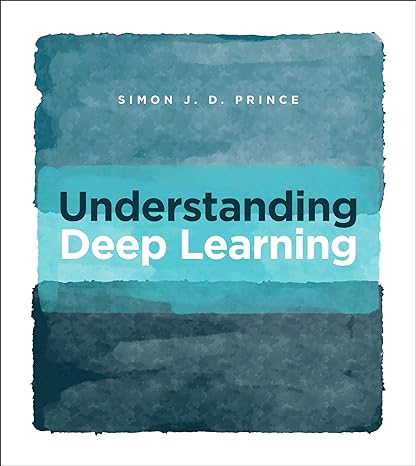
After you are comfortable with the math in Mathematics for Machine Learning Deisenroth, M. P., Faisal, A. A. & Ong, C. S. Mathematics for machine learning. Cambridge University Press. (2020) , these are the titles that keep showing up on master’s and PhD reading lists. I would steal from neuroscience curricula too. Interpretability and reinforcement learning have both taken real ideas from that side of campus; the traffic should go both ways.
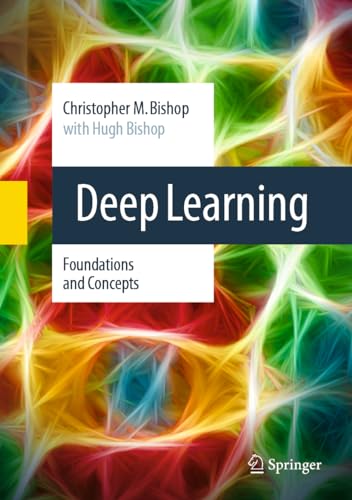
One substitution: instead of the ubiquitous Pattern Recognition and Machine Learning Bishop, C. M. & Nasrabadi, N. M. Pattern recognition and machine learning. Springer. (2006) , I prefer Bishop’s later Deep Learning Bishop, C. M. & Bishop, H. Deep learning: foundations and concepts. Springer. (2024) , written with his son. Same mind, current field.
Code
Reading is not enough. These are the libraries that show up in hiring loops and in the labs people actually use:
- PyTorch (Meta)
- XLA and JAX (Google DeepMind)
- Transformers Wolf, T. et al. Transformers: State-of-the-Art Natural Language Processing. Association for Computational Linguistics. (2020) (Hugging Face)
- MLX Awni, A. et al. MLX. (2023) , MLX examples, and axlearn (Apple)
- tinygrad (tiny corp)
- ggml and llama.cpp (Georgi Gerganov)
- Triton (OpenAI) Tillet, P., Kung, H. & Cox, D. Triton: an intermediate language and compiler for tiled neural network computations. Proceedings of the 3rd ACM SIGPLAN International Workshop on Machine Learning and Programming Languages. (2019)
- CUDA (NVIDIA) and GPU Puzzles (Sasha Rush)
And the teaching implementations, which are often the right first clone:
- nanoGPT, micrograd, and llm.c (Andrej Karpathy)
- x-transformers (Phil Wang / lucidrains)
If you do not know where to start and you have a Mac, clone tinygrad, MLX, and the MLX examples. They are small enough to read, and they run on the machine you already own.
Work through the list and you will have a foundation most job posts are quietly asking for. Questions or additions: X, or a pull request on GitHub.
- Deisenroth, M. P., Faisal, A. A. & Ong, C. S. Mathematics for machine learning. Cambridge University Press. (2020)
- Bishop, C. M. & Nasrabadi, N. M. Pattern recognition and machine learning. Springer. (2006)
- Bishop, C. M. & Bishop, H. Deep learning: foundations and concepts. Springer. (2024)
- Wolf, T. et al. Transformers: State-of-the-Art Natural Language Processing. Association for Computational Linguistics. (2020)
- Awni, A. et al. MLX. (2023)
- Tillet, P., Kung, H. & Cox, D. Triton: an intermediate language and compiler for tiled neural network computations. Proceedings of the 3rd ACM SIGPLAN International Workshop on Machine Learning and Programming Languages. (2019)
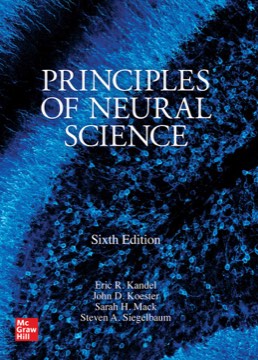
- Kandel, E. R., Schwartz, J. H. & Jessell, T. M. Principles of Neural Science. McGraw-Hill. (1981)
- Sternberg, R. J. Metaphors of Mind: Conceptions of the Nature of Intelligence. Cambridge University Press. (1990)
- Cover, T. M. & Thomas, J. A. Elements of Information Theory. Wiley-Interscience. (1991)
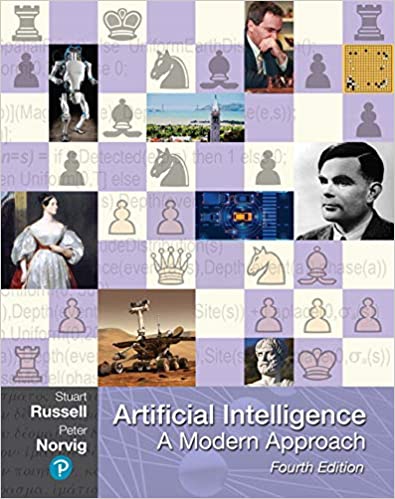
- Russell, S. J. & Norvig, P. Artificial intelligence: a modern approach. Pearson. (1995)
- Purves, D. Neuroscience. Sinauer Associates. (1996)
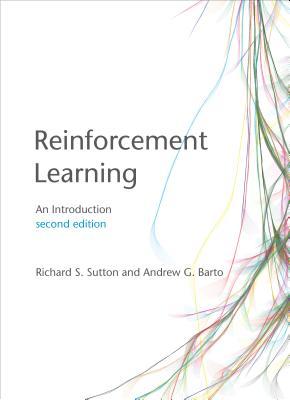
- Sutton, R. S. & Barto, A. G. Reinforcement Learning: An Introduction. MIT Press. (1998)
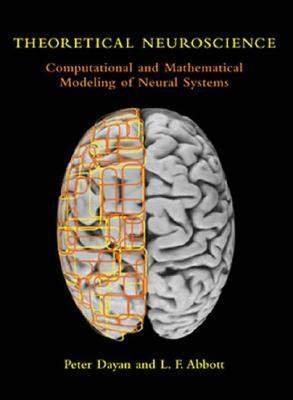
- Dayan, P. & Abbott, L. F. Theoretical Neuroscience: Computational and Mathematical Modeling of Neural Systems. MIT Press. (2001)
- Hastie, T., Tibshirani, R. & Friedman, J. The Elements of Statistical Learning: Data Mining, Inference, and Prediction. Springer. (2001)
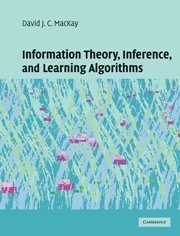
- MacKay, D. J. C. Information Theory, Inference, and Learning Algorithms. Cambridge University Press. (2003)
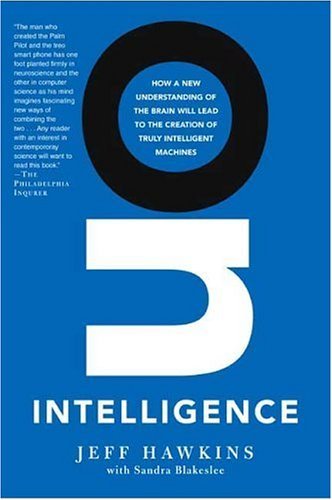
- Hawkins, J. & Blakeslee, S. On Intelligence: How a New Understanding of the Brain Will Lead to the Creation of Truly Intelligent Machines. Houghton Mifflin. (2004)
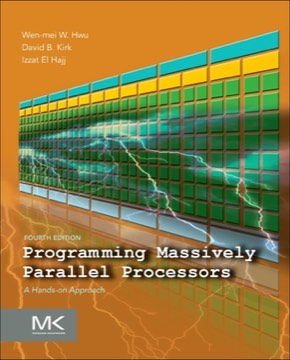
- Kirk, D. B. & Hwu, W. W. Programming massively parallel processors: a hands-on approach. Morgan Kaufmann. (2010)
- Bostrom, N. Superintelligence: Paths, Dangers, Strategies. Oxford University Press. (2014)
- Luo, L. Principles of Neurobiology. Garland Science. (2015)
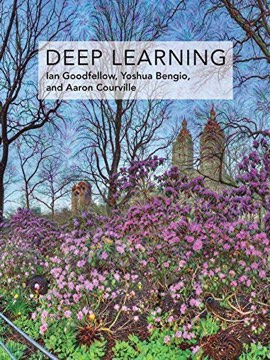
- Goodfellow, I., Bengio, Y. & Courville, A. Deep learning. MIT press. (2016)
- Chollet, F. Deep learning with Python. Simon and Schuster. (2017)
- Tegmark, M. Life 3.0: Being human in the age of artificial intelligence. Vintage. (2017)
- Burkov, A. The Hundred-Page Machine Learning Book. Andriy Burkov. (2019)
- Russell, S. Human Compatible: Artificial Intelligence and the Problem of Control. Penguin Random House. (2019)
- Christian, B. The Alignment Problem: Machine Learning and Human Values. W. W. Norton & Company. (2020)
- Dehaene, S. How we learn: Why brains learn better than any machine… for now. Penguin. (2020)
- Howard, J. & Gugger, S. Deep Learning for Coders with fastai and PyTorch. O’Reilly Media. (2020)
- Lee, K. & Qiufan, C. AI 2041: Ten Visions for Our Future. Currency. (2021)
- Serrano, L. Grokking machine learning. Simon and Schuster. (2021)
- Huyen, C. Designing Machine Learning Systems. O’Reilly Media. (2022)
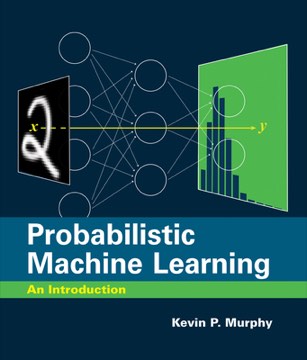
- Murphy, K. P. Probabilistic machine learning: an introduction. MIT press. (2022)
- Fleuret, F. The little book of deep learning. François Fleuret. (2023)
- James, G. et al. An introduction to statistical learning: With applications in Python. Springer Nature. (2023)
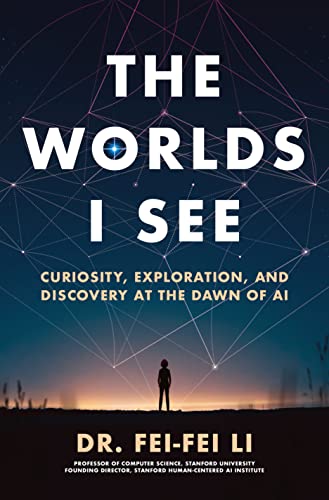
- Li, F. The Worlds I See: Curiosity, Exploration, and Discovery at the Dawn of AI. Flatiron Books. (2023)
- Prince, S. J. D. Understanding Deep Learning. MIT Press. (2023)
- Zhang, A. et al. Dive into Deep Learning. Cambridge University Press. (2023)
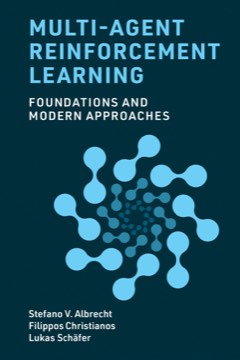
- Albrecht, S. V., Christianos, F. & Schäfer, L. Multi-agent reinforcement learning: Foundations and modern approaches. MIT Press. (2024)
- Hendrycks, D. Introduction to AI safety, ethics and society. Dan Hendrycks. (2024)
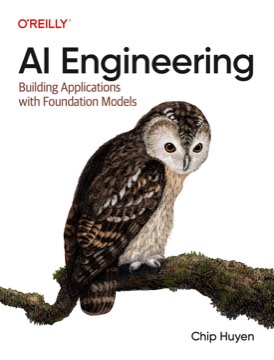
- Huyen, C. AI Engineering. O’Reilly Media. (2024)
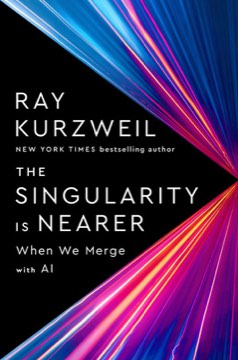
- Kurzweil, R. The Singularity Is Nearer: When We Merge with AI. Random House. (2024)
- Lanning, S. Build a Large Language Model. Manning. (2024)
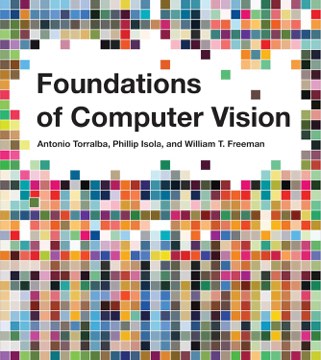
- Simon, M. Foundations of Computer Vision. (2024)
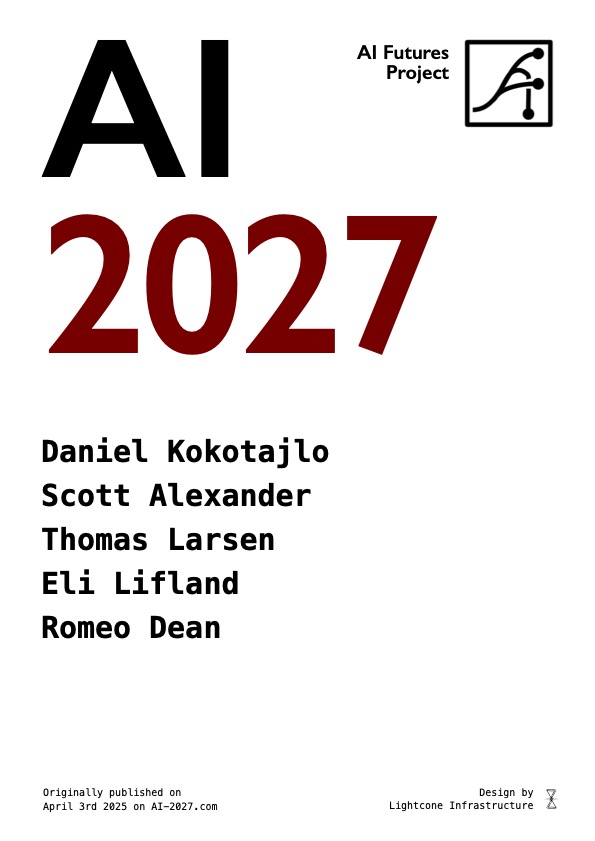
- Kokotajlo, D. et al. AI 2027. (2025)
- Patel, D. The Scaling Era: An Oral History of AI, 2019–2025. Stripe Press. (2025)
- Yudkowsky, E. & Soares, N. If Anyone Builds It, Everyone Dies: Why Superhuman AI Would Kill Us All. Little, Brown and Company. (2025)
Comments